
The Most Absurd Paradox of Our Time
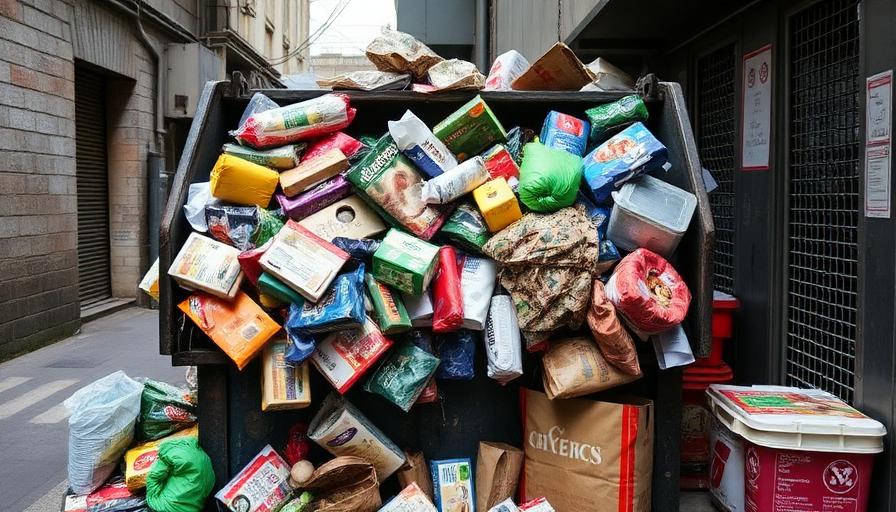
Every day, humanity produces enough food to feed 10 billion people — and then throws away enough to feed 2 billion. The 2.74 million tons wasted daily aren't scraps and peelings; they include perfectly edible fruits rejected for cosmetic imperfections, entire restaurant meals never served, supermarket shelves cleared for freshness rotation, and household leftovers scraped into trash cans. This happens while 783 million people worldwide face chronic hunger.
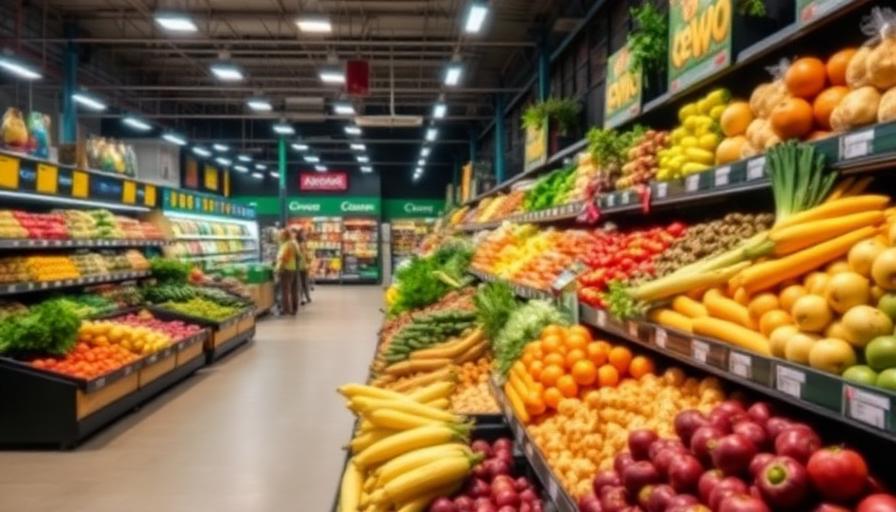
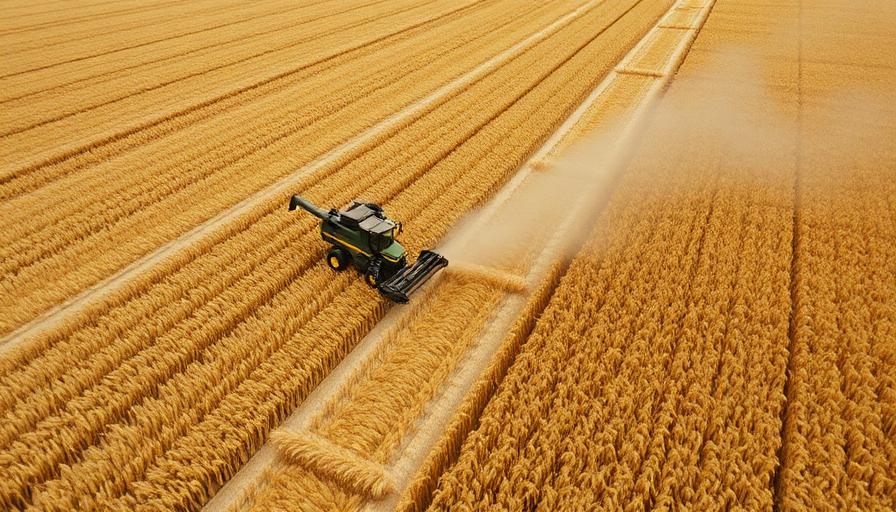
The waste begins long before your kitchen. In developing nations, 40% of food loss occurs during harvest and transport — crops rotting in fields due to labor shortages, spoiling in unrefrigerated trucks. In wealthy nations, the loss shifts downstream: supermarkets discard tons of unsold produce daily, and households throw away an average of 74 kg per person per year. The system leaks at every junction.
How Daily Food Waste Is Measured
The UNEP's Food Waste Index Report provides the most comprehensive global estimates, combining data from national waste audits, municipal waste composition studies, and food industry self-reporting. The FAO separately tracks "food loss" (waste occurring during production, storage, and transport) while UNEP focuses on "food waste" (retail and consumer-level). Together, they estimate total losses of roughly 1 billion tons annually.
Measurement is inherently imprecise — much food waste goes untracked, particularly in households and informal food markets. Some researchers argue the true figure could be 20–30% higher than official estimates, as data from many developing nations remains sparse. The 2.74 million tons per day is a conservative central estimate that the majority of food system researchers accept as reasonable.
Where 2.74 Million Daily Tons Disappear
Household waste dominates — roughly 61% of all food waste occurs in homes. People overbuy, forget leftovers, misunderstand expiration labels, and discard food for cosmetic reasons. Food service (restaurants, cafeterias, hotels) accounts for 26%, driven by buffet waste, plate scrapings, and spoilage. Retail outlets — supermarkets and grocery stores — generate the remaining 13%, discarding products that approach sell-by dates or show minor blemishes.
The types of food wasted vary dramatically by region. In South and Southeast Asia, rice is the most wasted food item by weight. In North America and Europe, bread, dairy products, and fresh produce lead. In sub-Saharan Africa, root crops and tubers — cassava, yams, sweet potatoes — experience the highest post-harvest loss rates, often exceeding 40% due to inadequate storage infrastructure.
The Environmental Cost of Wasted Food
Food waste isn't just a moral failure — it's an environmental catastrophe. Growing, processing, transporting, and refrigerating food that's ultimately discarded accounts for 8–10% of all global greenhouse gas emissions. When food rots in landfills, it produces methane — a greenhouse gas 80 times more potent than CO₂ over a 20-year period. Landfill methane from food waste alone contributes more to climate change than the entire aviation industry.
The water embedded in wasted food is equally shocking. Growing the food that's thrown away daily requires roughly 250 billion liters of water — enough to supply 250 million people. The land used to grow wasted food covers an area larger than Canada. Every ton of food that enters a dumpster represents not just calories lost, but water, soil, energy, and labor irretrievably wasted.
Making 2.74 Million Tons Real
Imagine filling the Sydney Opera House to the roof with food. That's roughly 1,100 tons. Now do it 2,500 times. That's one day of global food waste. If loaded onto trucks, the daily waste would form a convoy stretching from New York to Los Angeles — and back again. The weight exceeds that of 20,000 blue whales, discarded before lunch.
The economic cost is staggering: approximately $1 trillion per year, or $2.7 billion per day. For context, that daily figure exceeds the entire annual GDP of many small nations. US households alone waste roughly $1,500 worth of food per year — money literally thrown in the garbage while grocery bills continue rising.
Related Environmental Data
Food waste intersects with nearly every environmental challenge on the planet:
- 150 million tons of CO₂ per day — food waste contributes 8–10% of total emissions
- 10 trillion liters of water used daily — a quarter goes toward food that's wasted
- 1.1 million tons of plastic waste daily — much is food packaging
- What happens every second? — the full picture of global real-time activity