
What Happens Every Second in the World?
A second feels like nothing. A blink takes three-tenths of one. A heartbeat fills roughly eight-tenths. By the time you register that a second has passed, you have already lost several more noticing. It is the smallest unit of time that humans can consciously perceive, and the world treats it like a lifetime.
One Second, Expanded
If you could freeze a single second of global activity and examine it under a microscope, you would find it dense with events. Roughly 4.3 humans take their first breath. About 1.8 take their last. Approximately 4.5 million emails depart from outboxes. Nine hundred tons of food are consumed. Twelve hundred metric tons of carbon dioxide enter the atmosphere. Two point four hectares of forest vanish.
That is one second. Unremarkable. Unrepeatable. Already gone.
The Human Layer
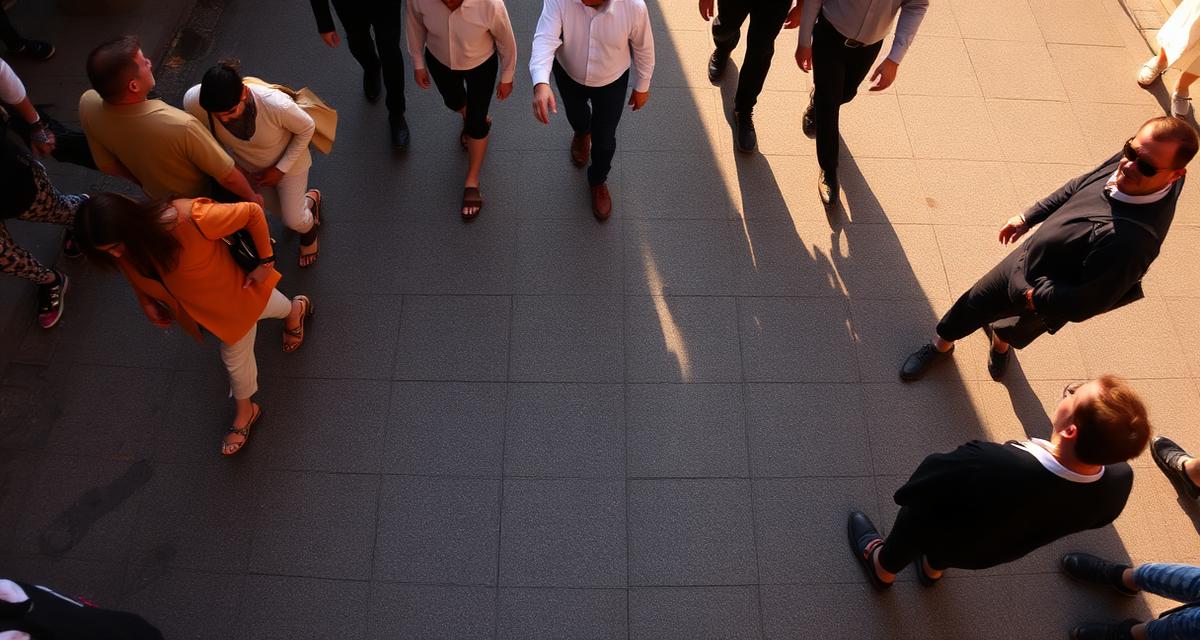
The human contribution to each second is staggering in its variety. In one second, the collective human heart beats about 9.7 billion times. Roughly 48,000 organized steps are taken in gyms and parks and living rooms. About 16 surgical operations begin.
We eat approximately 900 tons of food every second, which means that by the time this sentence ends, humanity has collectively consumed the weight of six blue whales in nourishment. We drink roughly 26,000 cups of coffee per second, a number that accelerates sharply between 7 and 9 AM in each successive time zone.
You are one of 8 billion, and in the second it took you to read this sentence, all 8 billion were doing something. Most were breathing. Many were eating. Some were being born. A few were dying. All of it, simultaneously.
The Digital Layer
The digital world operates at a pace that has completely detached from human cognition. In one second: Google processes 158,500 searches. YouTube receives 500 hours of new video. Instagram users scroll past 347,000 posts. Twitter generates 9,700 tweets. Netflix streams 70,000 hours of content.
But the truly staggering number is email. 3.5 million per second. That is not a peak figure; it is the average, sustained around the clock, every day of the year.
What is interesting about digital per-second activity is how much of it is invisible. You do not see the 4.5 million emails. You see only the two or three that land in your inbox.
The Planetary Layer
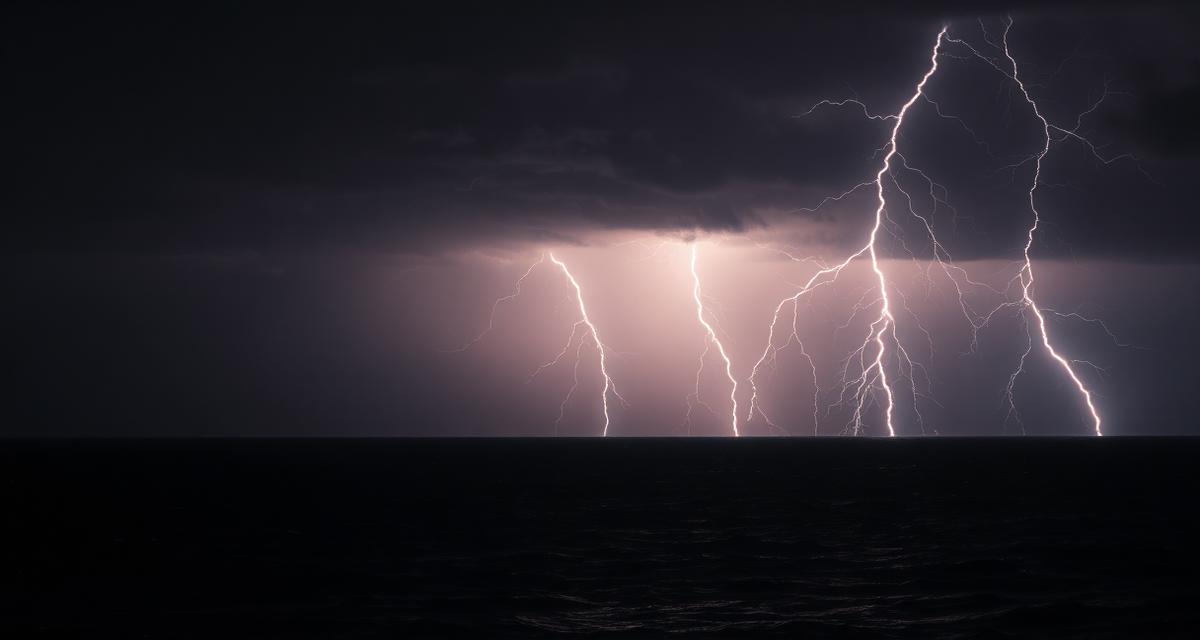
Earth itself is not idle during your seconds. About 1,800 thunderstorms are active at any given moment, producing roughly 100 lightning bolts per second. Five billion tons of rain fall every hour. The planet radiates and absorbs energy at a rate of 174 petawatts from the sun.
Meanwhile, Earth is moving. In one second, the planet travels 30 kilometers in its orbit around the Sun. The solar system covers 230 kilometers in its orbit around the galactic center. You are stationary on a surface that is doing 860 kilometers of traveling every second you sit still. See the space counters for more.
Scaling Up: From Seconds to Days
In one minute: 258 babies are born. 210 million emails are sent. 72 hectares of forest are cleared. 72,000 tons of CO2 are emitted.
In one hour: 15,480 babies arrive. 16.4 billion emails are dispatched. 4,320 hectares of forest are gone.
In one day: 371,520 new humans exist. 392.5 billion emails have been sent. The planet has traveled 2.6 million kilometers through space. And the collective human heart has beaten approximately 837 trillion times.
Why Seconds Matter
The reason to think in seconds is not because seconds are important in themselves. It is because the second is the smallest unit at which you can watch the world move. Tools like SnapCounters make this literal: counters start at zero and climb, one second at a time.
There is something almost meditative about it. The world will not slow down for your attention, but it will let you watch. And in the watching, something shifts. The abstract becomes visceral. The second stops being nothing and starts being everything.