
How Much CO2 Is Produced Every Second?
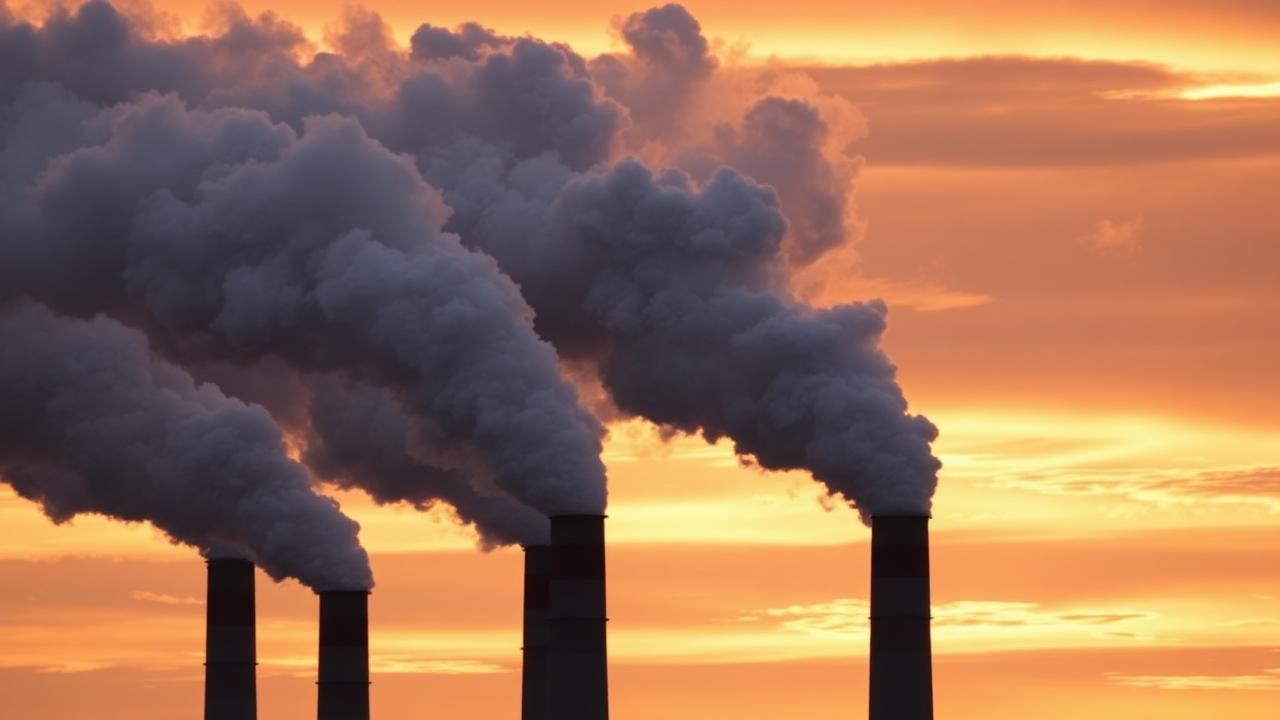
One thousand two hundred metric tons. Every second. By the time you finish this paragraph, humanity will have added roughly 12,000 tons of carbon dioxide to the atmosphere. It is invisible, odorless, and accumulating faster than the planet can absorb it.
The global annual CO2 emission figure is approximately 37.4 billion metric tons, according to the Global Carbon Project. Divide that by the number of seconds in a year — 31,536,000 — and you arrive at roughly 1,200 tons per second. It is a number that sounds manageable in isolation. It is anything but.
The Weight of a Second
To understand 1,200 tons per second, you need to understand what a ton of CO2 actually is. Carbon dioxide is a gas, so a ton of it occupies a surprisingly large volume. At standard atmospheric pressure, one metric ton of CO2 fills a cube approximately 8.2 meters on each side. That is a cube roughly the size of a two-story house.
Now multiply that by 1,200. Every second, humanity produces enough CO2 to fill 1,200 house-sized cubes. Per minute, that is 72,000 cubes. Per hour, 4.3 million. The visual is absurd precisely because the actual number is absurd.
A round-trip flight from New York to London produces roughly 1 ton of CO2 per passenger. The world produces the equivalent of 1,200 such flights every second — not in passengers, but in raw emissions from industry, transportation, agriculture, and energy production combined.
Where It Comes From
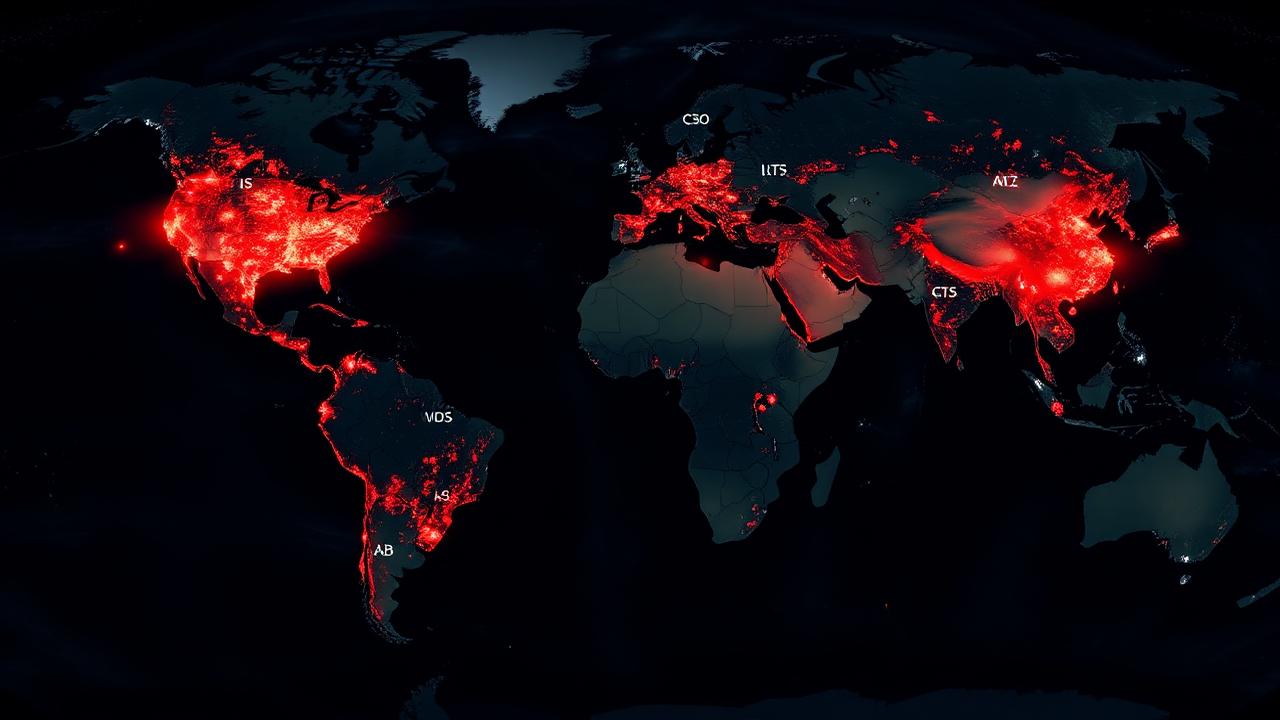
The sources of those 1,200 tons are not distributed equally. China produces approximately 31 percent of global CO2 emissions. The United States contributes about 14 percent. India accounts for roughly 7 percent. The European Union collectively emits around 8 percent.
But per-capita numbers tell a different story. The average American produces about 14.7 tons of CO2 per year. The average Chinese citizen produces about 8.9 tons. The average Indian citizen produces about 2.0 tons. An average person in sub-Saharan Africa produces less than 1 ton per year.
Fossil fuels remain the dominant driver. Coal is the single largest source of CO2, responsible for roughly 40 percent of energy-related emissions. Oil accounts for about 32 percent. Natural gas contributes approximately 21 percent. Electricity and heat generation account for about 25 percent of global emissions, while transportation contributes about 16 percent.
What 1,200 Tons Looks Like
The problem with CO2 is that you cannot see it. If carbon dioxide were bright orange, the atmosphere would look noticeably different than it did a century ago. Instead, the accumulation is invisible, which makes it psychologically easy to ignore.
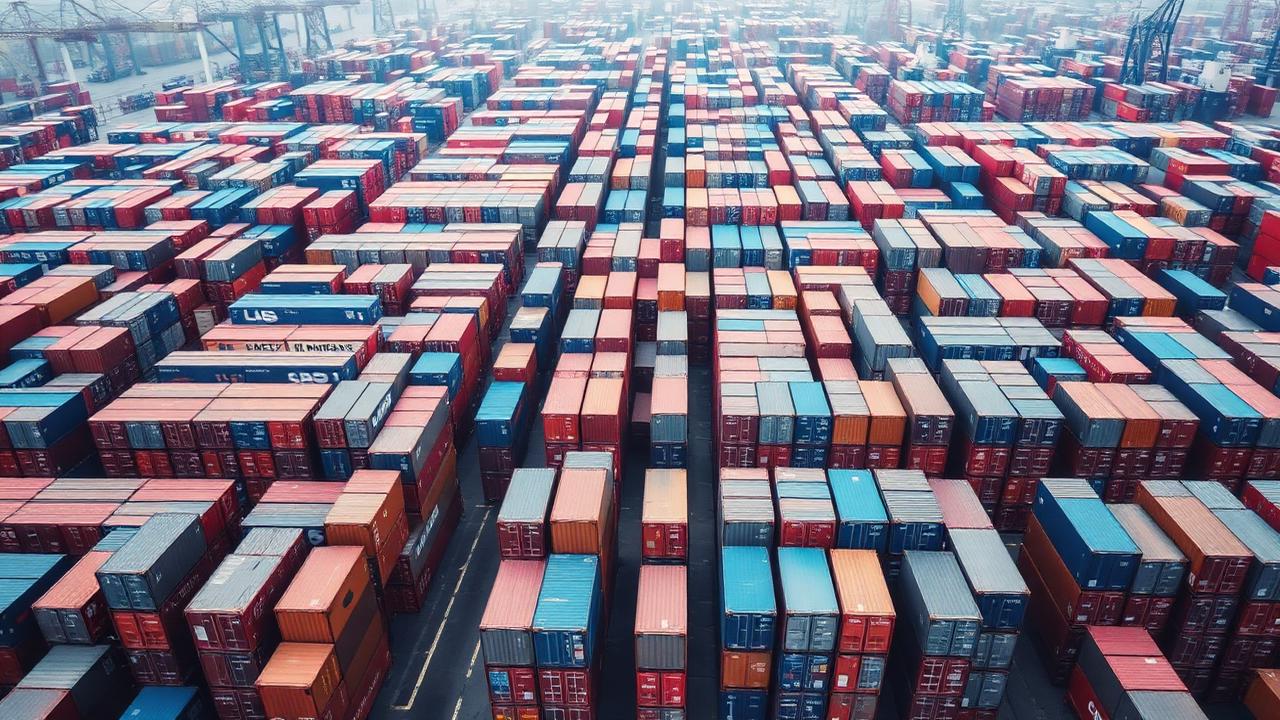
If you filled standard shipping containers with compressed CO2 at 1,200 tons per second, you would fill approximately 48 containers per second. In one day, that is over 4 million containers — enough to form a line stretching from New York to Los Angeles and back, twice.
The atmospheric concentration of CO2 has risen from approximately 280 parts per million in pre-industrial times to over 424 ppm today. That sounds like a small change — from 0.028 percent to 0.042 percent of the atmosphere. But the climate system is exquisitely sensitive to these concentrations. The last time CO2 levels were this high was roughly 4 million years ago, during the Pliocene epoch, when sea levels were 15 to 25 meters higher than today. You can watch CO2 emissions accumulate in real time on SnapCounters. The counter starts at zero and adds roughly 1,200 tons every second.
The Accumulation Problem
The Earth has natural carbon sinks — oceans, forests, soil — that absorb roughly half of annual emissions. The remaining half stays in the atmosphere, where it will persist for centuries. CO2 molecules emitted during the Industrial Revolution are still trapping heat today.
This is the fundamental problem: even if emissions stopped entirely tomorrow, the CO2 already in the atmosphere would continue warming the planet for decades. The system has momentum, like a supertanker that has cut its engines but will not stop for miles.
Current pledges under the Paris Agreement, if fully implemented, would still result in approximately 2.5 to 2.9 degrees Celsius of warming above pre-industrial levels by 2100 — well above the 1.5-degree target. The gap between pledges and action remains significant.
Every second adds 1,200 more tons. The atmosphere does not negotiate. It simply accumulates. And at 1,200 tons per second, it accumulates fast.