Why Real-Time Data Changes How You Think
A number on a page is information. A number that changes while you watch it is an experience. This distinction, simple as it sounds, has profound implications for how humans process data, form opinions, and remember what they have learned.
The Difference Between Knowing and Watching
Consider two ways of encountering the same fact. First: you read that approximately 4.3 babies are born every second. You absorb this, perhaps find it interesting, and move on. Second: you watch a counter that starts at zero and climbs by 4.3 every second. After one minute, you see the number pass 258.
The information is identical. The experience is entirely different. In the first case, your brain files the number as a fact. In the second case, your brain registers each increment as an event — something that is happening, not something you have been told.
This is the difference between reading about a thunderstorm and standing in one. The rain is the same rain. But your relationship to it changes completely depending on whether it touches your skin.
Scope Insensitivity and the Counter Cure

In 1992, a study asked participants how much they would pay to save 2,000 birds, 20,000 birds, and 200,000 birds from drowning in oil. The amounts were nearly identical. The phenomenon, later termed scope insensitivity, reveals that human emotion does not scale with numbers.
Real-time counters provide a partial cure. They do not ask you to imagine a million of something. They show you one, then another, then another. Each increment is small enough to register emotionally. The accumulation produces a dawning awareness that static numbers cannot.
You do not suddenly understand what a million means. But you begin to feel what ten per second means, and your brain extrapolates with a conviction that reading alone cannot produce.
The Experience Gap
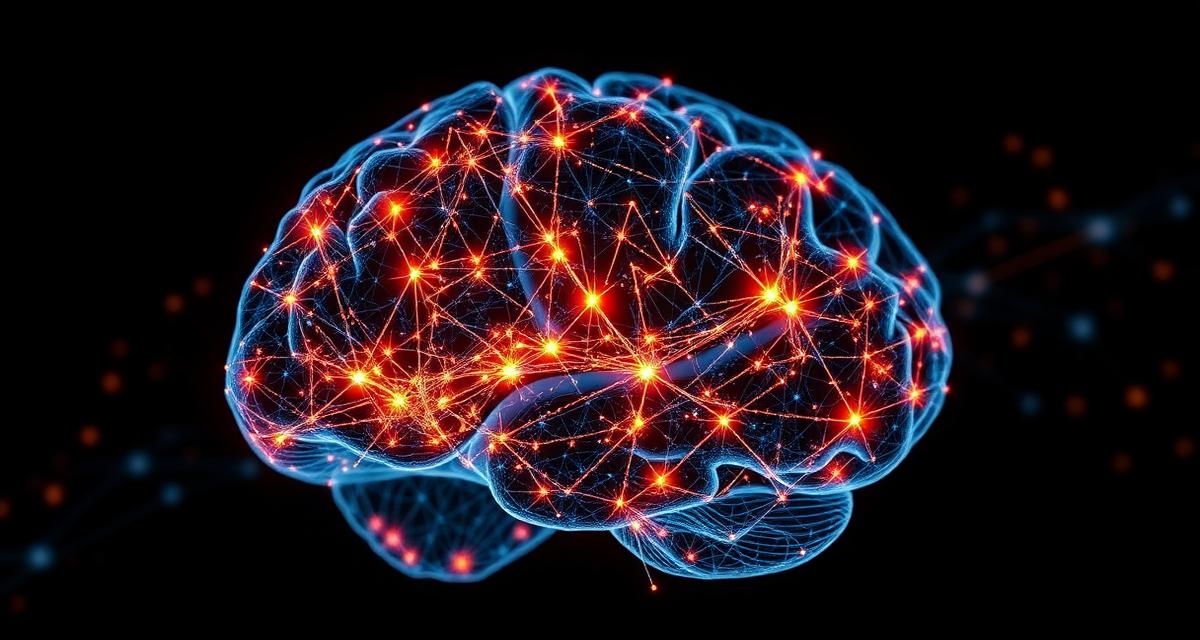
Psychologists use the term experience gap to describe the difference between information learned through description and information learned through direct experience. Described information is processed by the prefrontal cortex. Experienced information is processed through the limbic system, the emotional, memory-forming part.
Watching numbers climb on live counters activates the part of your brain that tracks events in real time — the same circuitry that monitors a sports score or a stock price. The data becomes something happening to you, not something being told to you.
Time as a Unit of Understanding
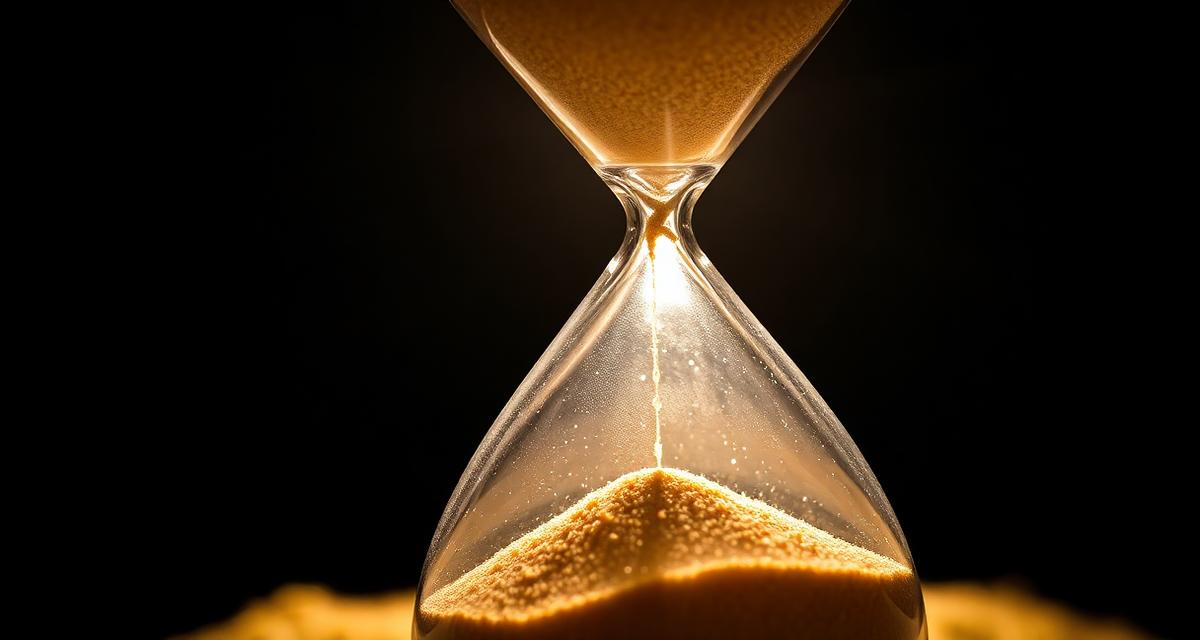
One of the most powerful effects of real-time data is that it reframes numbers in terms of time — the one dimension humans understand intuitively. You may not know what 392.5 billion emails per day means. But you know what a second feels like. And when 4.5 million emails were sent during that second, the number acquires weight.
This is why the best data visualizations are almost always temporal. Static charts are read. Temporal visualizations are watched. And watching is a fundamentally different cognitive act than reading.
When the Counter Stops
There is a moment, after watching a live counter for several minutes, when you look away. The counter does not stop. The births continue. The emails continue. But your awareness of them ceases.
That synchronization is rare and valuable. Most of daily life is spent at personal tempo. Planetary tempo is different. It is the pace of 8 billion people doing 8 billion things simultaneously. You cannot sustain awareness of it for long. But the moments when you do are moments of genuine perspective.
The Attention Dividend

After five minutes with live counters, you walk away knowing the same facts you knew before. But you feel them differently. The second feels heavier. The minute feels more populated. The world feels busier and more alive and more indifferent to your individual existence, all at once.
This is not a comfortable feeling. But it is a useful one. Because the problems we face as a species — climate change, inequality, resource depletion — are all problems of scale. And you cannot solve problems of scale if you cannot feel what scale means.
The counter is not the answer. But it might be the beginning of the question.