
13.7 Million Seedlings a Day — And It's Not Enough
Every day, approximately 13.7 million young trees are pushed into soil around the world — in Chinese government reforestation zones, Brazilian degraded pastureland, Ethiopian hillsides, Scandinavian commercial forests, and suburban parks. One hundred fifty-nine seeds of future forests take root every second. It's an enormous effort involving millions of workers, billions in funding, and drone-seeding technology that can plant 100,000 trees per day from the air.
Yet the math is sobering. While 13.7 million go in, 42 million trees are cut down daily. For every tree planted, three are removed — for timber, agriculture, mining, or urban expansion. The net loss of roughly 28 million trees per day means Earth loses a forested area the size of a football pitch every two seconds, despite the planting effort.
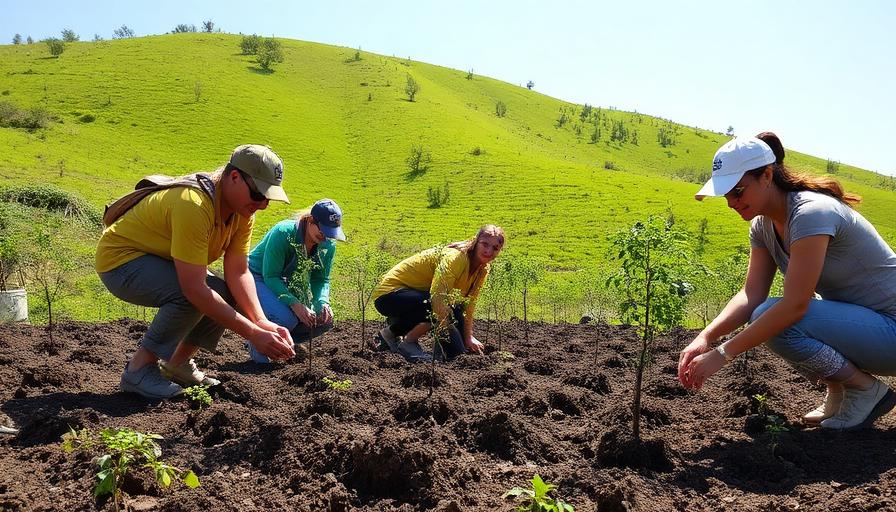
Where the 13.7 Million Daily Trees Go
China dominates global tree planting, contributing roughly 6.8 million trees per day through government programs like the Great Green Wall — a 4,500-kilometer band of trees designed to halt the Gobi Desert's southward advance. This single project is the largest ecological engineering effort in human history, and has planted over 66 billion trees since the 1970s.
India contributes roughly 1.6 million daily through programs like the National Afforestation Programme and one-day mass planting events (India once planted 220 million trees in a single day in 2019). Ethiopia, inspired by its Green Legacy Initiative, adds roughly 1.4 million daily. Commercial forestry in Scandinavia, New Zealand, and the US southeast accounts for approximately 2 million daily plantings, though these are monoculture plantations rather than natural forest restoration.
The Quality Question: Not All Planting Is Equal
A common criticism of tree-planting statistics is that quantity overshadows quality. Commercial monoculture plantations (single species like eucalyptus or palm oil) account for roughly 45% of all trees planted daily. While these sequester carbon, they provide minimal biodiversity value and can actually harm local ecosystems by displacing native species, depleting water tables, and acidifying soil.
In contrast, native forest restoration — planting diverse species appropriate to local ecology — accounts for only about 20% of daily planting but delivers far greater ecological value. Organizations like the Bonn Challenge and the World Resources Institute advocate for "assisted natural regeneration," which allows degraded forests to regrow naturally with minimal intervention, achieving better biodiversity outcomes at lower cost than active planting.
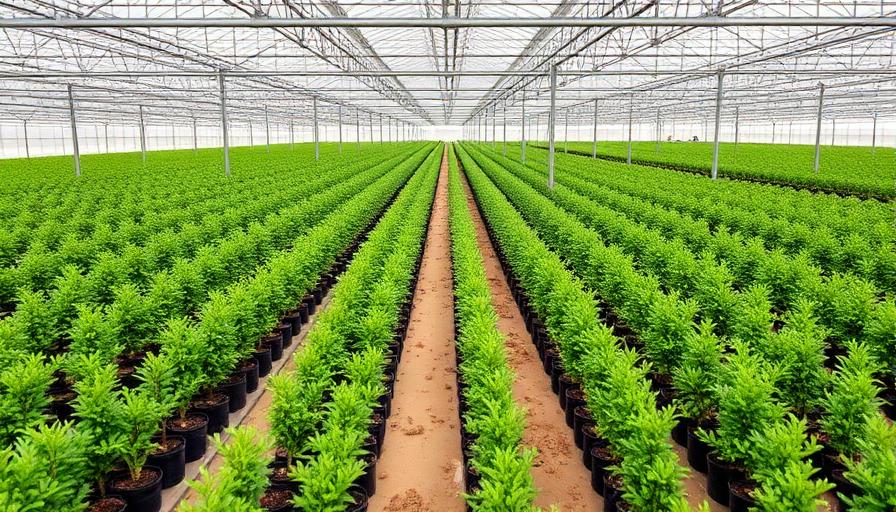
The Carbon Math of Daily Planting
If all 13.7 million daily planted trees survive to maturity (a big if), they will eventually absorb approximately 300,000 tons of CO₂ per year. That sounds significant until you compare it to the 6.25 million tons of CO₂ emitted every hour. One full day of tree planting offsets roughly 3 minutes of global emissions — once the trees mature in 10–20 years. Reforestation is essential but cannot substitute for emission reductions.
The survival rate complicates the picture further. Mass planting campaigns, particularly in arid regions, often see 40–60% mortality within the first two years due to drought, grazing, fire, and lack of maintenance. China's reforestation programs have seen improved survival rates (70–80%) through irrigation investment and community-based forest management, but many developing-country initiatives lose the majority of planted seedlings.
Technology Accelerating the Pace
Drone seeding is transforming reforestation speed. Companies like DroneSeed and Flash Forest can plant 40,000–100,000 seed pods per day per drone — covering terrain that would take human planters weeks. The pods contain seeds embedded in nutrient-rich capsules designed to maximize germination. At scale, drone seeding could triple the daily planting rate within a decade.
AI-powered monitoring is improving survival rates. Satellite imagery combined with machine learning can now track individual tree survival across millions of hectares, allowing managers to identify and address mortality hotspots in near-real-time. This data-driven approach has improved post-planting success rates by 15–25% in pilot programs across Africa and South America.
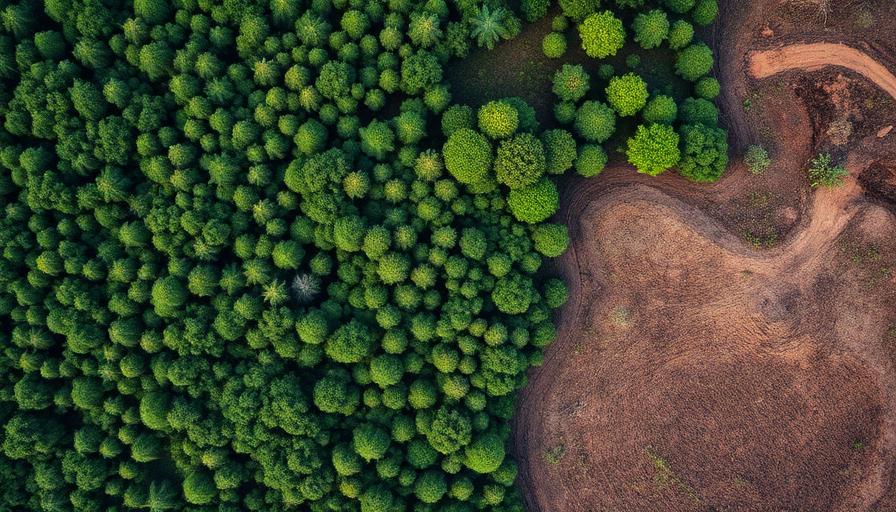
Related Environmental Data
Tree planting sits within the broader context of environmental restoration:
- 42 million trees cut per day — planting covers only one-third of this rate
- 150 million tons of CO₂ per day — trees are essential but insufficient carbon sinks
- 10 trillion liters of water per day — forests are critical for watershed health
- What happens every second? — the full picture of global real-time activity