
4.5 New Lives Every Single Second
Right now, as you read this sentence, between 13 and 14 babies have drawn their first breath somewhere on Earth. Across maternity wards in Lagos, Mumbai, São Paulo, and small villages without names on any map, the process of human arrival continues without interruption. It doesn't pause for holidays, wars, or pandemics — 4.5 births per second is the planet's most persistent biological rhythm.
Each birth represents a 9-month culmination of biological complexity, yet from a global statistical perspective, it happens with the regularity of a metronome. The sheer constancy is what makes it remarkable — not the individual event, but the fact that it never stops.

Where Are These Births Happening?
The geographic distribution of those 4.5 births per second tells a striking story of demographic divergence. Sub-Saharan Africa contributes roughly 1.3 of those births — nearly 30% of the global total from a region with 18% of the world's population. South Asia adds another 1.1 per second, led by India's massive birth volume.
Meanwhile, Europe collectively contributes only 0.13 births per second — one baby every 7.5 seconds across an entire continent of 450 million people. Japan, South Korea, and China's combined per-second birth rate has fallen below 0.4, reflecting historic fertility declines that are reshaping the demographic future of Asia.
How Scientists Track Births Per Second
No real-time global birth registry exists. Instead, the UN Population Division synthesizes data from national vital registration systems, census reports, demographic health surveys, and hospital records across 200+ countries. Their models account for seasonal birth variations, regional healthcare infrastructure, and cultural factors that affect birth registration timing.
The per-second rate is derived by dividing annual birth estimates (approximately 142 million) by 31.5 million seconds in a year. The actual instantaneous rate fluctuates — births are slightly more common on weekdays (due to scheduled procedures) and during certain months in the Northern Hemisphere (September peaks reflect January conception patterns).
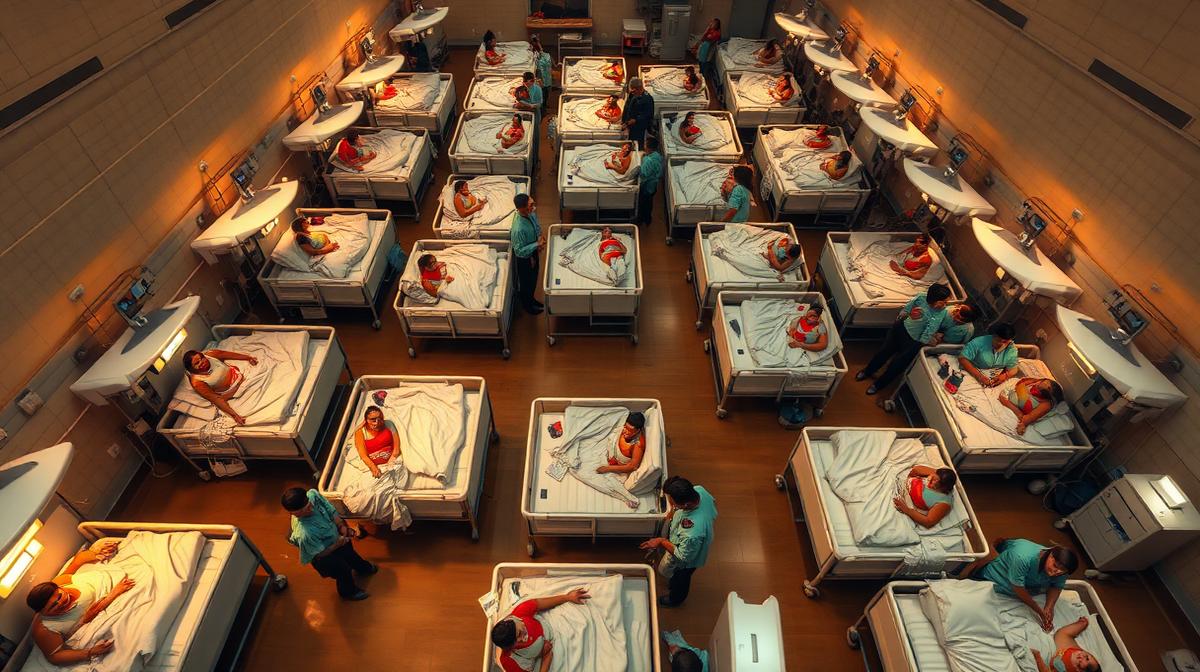
Birth Rate vs. Death Rate: The Population Equation
The 4.5 births per second must be understood alongside the 1.9 deaths per second. The difference — 2.6 net additions per second — is the engine driving global population growth. That gap translates to 225,000 additional people every day, 82 million per year, and is the reason the world population continues climbing toward 8.5 billion.
However, this gap is narrowing. In 1970, the net addition was 4.8 per second. By 2050, it's projected to drop below 1.5 per second as birth rates decline and populations age. Some demographers predict the gap could reach zero — population equilibrium — before the end of this century.
Making the Number Tangible
At 4.5 births per second, the world adds the equivalent of a new medium-sized city every week. In the time it takes to watch a 90-minute movie, 24,300 babies are born — enough to fill a sports arena. Over the course of a single year, enough new humans arrive to populate Germany and France combined, with room to spare.
Each of those 4.5 per second will need food, water, education, healthcare, and housing. The cumulative infrastructure demand of one second's worth of births will unfold over 80+ years of life expectancy. Explore the broader picture of daily birth totals or see how population connects to everything happening worldwide right now.
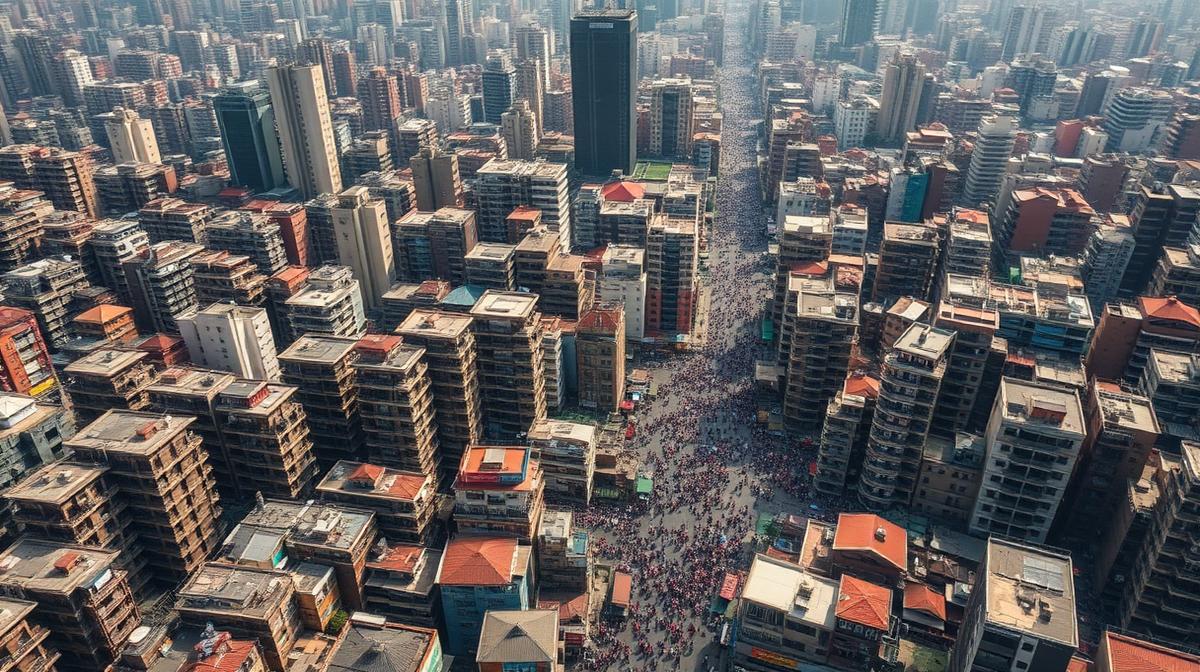
The Declining Trend Behind the Numbers
While 4.5 per second sounds overwhelming, it's actually the lowest per-second birth rate since the 1960s. Global fertility has fallen from 5.0 children per woman in 1960 to 2.3 in 2026. The per-second rate peaked around 5.4 in the late 1980s and has been declining since. This decline is perhaps the most consequential demographic shift in human history.
The forces driving this decline — female education, urbanization, access to contraception, and rising child-rearing costs — operate across every culture and continent, albeit at different speeds. By 2060, the births-per-second figure may dip below 3.5, fundamentally altering the dynamics of global population growth.