
1.72 Billion Moments Captured Daily
Every second, nearly 20,000 camera shutters click — most of them silently on smartphone screens. A birthday cake in São Paulo, a sunrise over Kyoto, a cat in Cairo, a receipt in Chicago, a sunset in Stockholm, a selfie in Seoul. The 1.72 billion daily photos represent the largest visual documentation effort in human history, unplanned and uncoordinated, emerging from 5 billion smartphone cameras in 5 billion pockets worldwide.
The acceleration defies comprehension. In 1999, the world took an estimated 86 billion photos for the entire year. By 2026, that same number is exceeded in just 50 days. More photos are now taken every two minutes than existed in the entire world 150 years ago. Photography has transformed from a specialized craft requiring expensive equipment and chemical processing into an unconscious reflex — as automatic as breathing.
The Smartphone Revolution in Numbers
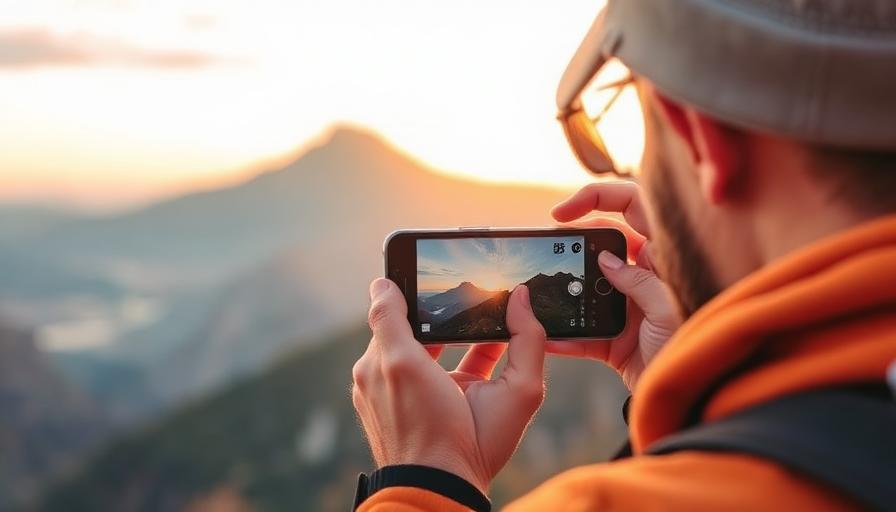
Smartphones account for 92% of all photos taken daily — roughly 1.58 billion images. Dedicated digital cameras (DSLR, mirrorless) contribute only 3%, or about 52 million. Surveillance and security cameras generate approximately 4% (69 million). The remaining 1% comes from satellite imagery, medical imaging, scientific instruments, and other specialized cameras.
The average smartphone user takes 5–7 photos per day, but this average masks extreme variation. A tourist on vacation might take 200+ photos daily. A food blogger might capture 50 images of a single dish. Many users take zero photos on most days but burst-capture dozens during events. The top 10% of smartphone photographers generate roughly 60% of all images.
The Data Tsunami: Where Do 1.7 Billion Daily Photos Go?
Most daily photos remain on the device that captured them — at least initially. Roughly 70% are stored only locally on smartphones. About 25% are automatically backed up to cloud services (Google Photos, iCloud, Samsung Cloud). Only 5–6% are shared to social media platforms: 95 million to Instagram, millions more to Facebook, Snapchat, and TikTok.
The storage implications are staggering. At 3.5 MB average per photo, the daily output requires 6 petabytes of storage. Google Photos alone stores over 4 trillion photos and adds approximately 350 million daily. Apple iCloud, Samsung Cloud, and Amazon Photos absorb billions more. The cloud storage industry — valued at $100 billion — owes a significant portion of its growth to the insatiable appetite for photo storage.
The Paradox of Abundance
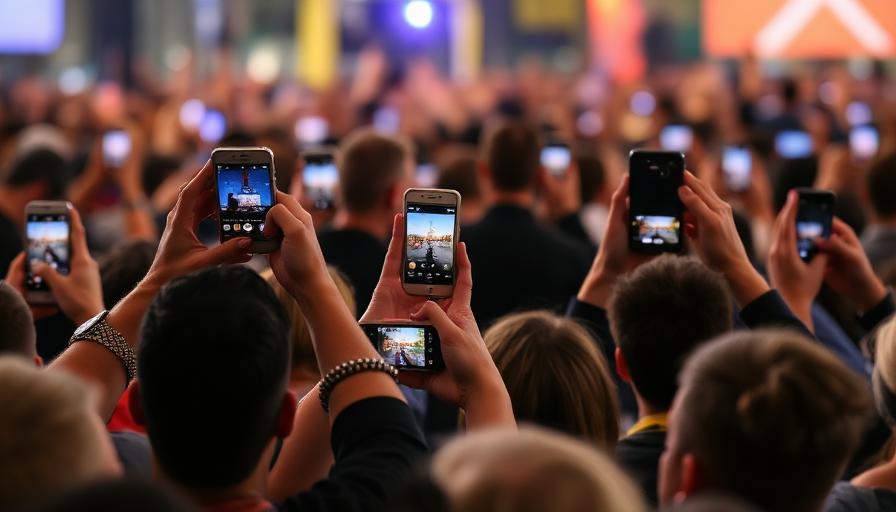
Here's the peculiar irony of 1.72 billion daily photos: the vast majority are never viewed again. Research from Microsoft and academic institutions suggests that 80% of smartphone photos are never opened after the initial capture. They accumulate in camera rolls as visual clutter — thousands of similar shots, accidental captures, and moments that seemed important at the time but were immediately forgotten.
AI is beginning to address this overload. Google Photos uses machine learning to automatically curate "memories," surface forgotten photos, and suggest deletions of blurry or duplicate images. Apple's "Memories" feature similarly creates automated highlight reels. These tools attempt to extract meaning from the noise — finding the 20 significant photos among the 2,000 taken on a vacation.
The Growth Curve: From Silver Plates to Selfie Sticks
Photography's volume curve is exponential in the purest sense. In 1826, the first photograph took 8 hours of exposure. By 1900, Kodak's Brownie camera made photography accessible, and the world took roughly 1 billion photos that year. The film era peaked around 2000 at approximately 86 billion annual photos. Then digital and smartphones ignited explosive growth: 100 billion in 2006, 350 billion in 2015, 630 billion in 2026.
The curve shows no sign of flattening. Computational photography (multi-frame HDR, night mode, portrait mode) makes every shot look professional, encouraging more captures. AI features like Google's "Best Take" (combining faces from multiple shots) encourage taking 5 photos where one would have sufficed. Projections suggest 2 billion daily photos by 2030 and potentially 3 billion by 2035.
Related Data Points
Daily photography connects to the broader landscape of digital content creation:
- 95 million Instagram posts per day — only 5.5% of daily photos reach social media
- 720,000 YouTube videos per day — video is growing but photos remain dominant
- 5.5 billion internet users — most have cameras in their pockets
- What happens every second? — the full picture of global real-time activity