
The Soundtrack of Humanity
Every second, over 18,000 songs begin playing on Spotify. Morning alarms in Tokyo trigger J-pop playlists. Commuters in London queue up podcasts and Afrobeats. Gym-goers in New York blast hip-hop through wireless earbuds. Across 180+ markets and 640+ million monthly users, Spotify has become the world's largest music streaming platform — a global jukebox that processes 1.6 billion individual streams every 24 hours.
This volume is staggering when compared to physical music consumption. At the peak of CD sales in 2000, the entire global music industry sold approximately 2.5 billion physical albums per year. Spotify alone now generates that equivalent in less than two days of streaming activity. The economics, infrastructure, and culture of music have been fundamentally transformed.

How 1.6 Billion Daily Streams Are Counted
Spotify counts a "stream" when a user listens to a track for at least 30 seconds. This threshold was designed to filter out accidental plays while capturing genuine listening intent. The platform's backend processes these events in real time, updating play counts, calculating royalties, and feeding recommendation algorithms simultaneously.
The 1.6 billion daily figure is derived from Spotify's reported metrics. In Q4 2025, Spotify disclosed that users streamed over 580 billion minutes of content in the quarter — roughly 1.55 billion streams per day when accounting for average song length of 3.5 minutes plus podcast consumption. Industry analysts at MIDiA Research and Luminate corroborate these figures through independent tracking methodologies.
What People Are Listening To
Pop, hip-hop/rap, and Latin music dominate Spotify's global charts, collectively accounting for approximately 55% of all streams. Regional music — K-pop in South Korea, Afrobeats in Nigeria, Reggaeton in Latin America — has seen explosive growth, with cross-cultural discovery fueled by algorithmic playlists like "Discover Weekly" and "Release Radar."
Podcasts now represent approximately 12% of all Spotify listening time, with popular shows generating millions of plays per episode. The platform hosts over 6 million podcast titles. Audiobooks, launched in 2023, have also gained traction, with Spotify reporting over 300 million audiobook hours consumed monthly in 2026.

The Economics of Streaming
Spotify's 1.6 billion daily streams generate approximately $5–8 million in daily royalty payments to rights holders — labels, publishers, and artists. The per-stream rate of $0.003–0.005 means an artist needs roughly 250–350 streams to earn a single dollar. Top artists like Drake, Bad Bunny, and Taylor Swift earn millions monthly, but the vast majority of Spotify's 11 million artist catalog earns less than $1,000 per year from streaming.
The platform itself reached profitability in 2024 after years of operating at a loss, driven by price increases, advertising revenue growth, and improved podcast monetization. Spotify's annual revenue exceeds $16 billion, making it a major economic force in the global entertainment industry despite ongoing debates about fair artist compensation.
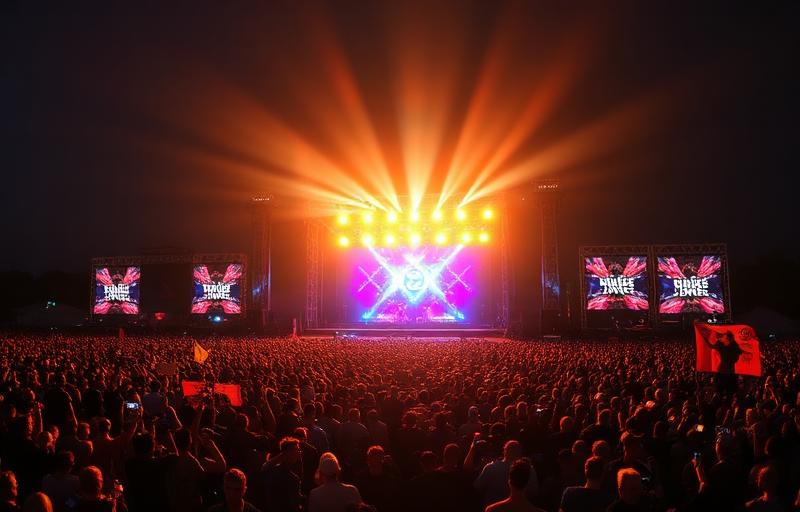
1.6 Billion Streams in Perspective
If all 1.6 billion songs played today were lined up at their average length of 3.5 minutes, the total listening time would be 5.6 billion minutes — or roughly 10,667 years of continuous music. That's longer than the entire recorded history of human civilization. The bandwidth consumed is equally staggering: at an average of 1.5 MB per minute of streaming, Spotify serves approximately 8.4 petabytes of music data every day — enough to fill over 2 million DVDs.